Who Tends to Come to Neurodiversity Therapy?
People come to neurodiversity therapy in Holborn from all kinds of backgrounds and life stages. Some have a formal diagnosis – ADHD, autism, dyslexia, or something else – and are trying to make sense of what that means for how they live and relate to others. Others have never received a diagnosis but have always had a strong feeling that their mind works differently, and they are beginning to explore what that might mean for them.
You might be someone who:
- Finds social interactions tiring, confusing, or hard to read
- Struggles with patterns of procrastination, distraction, or emotional overwhelm
- Has always felt like you are masking or performing a version of yourself that feels exhausting
- Experiences sensory sensitivity that others around you seem not to notice
- Feels anxious, stuck, misunderstood, or disconnected from the people around you
There is no single profile of the person who benefits from this kind of support. What tends to connect people who come to me is a sense that the patterns showing up in their life – in relationships, work, or how they feel about themselves – deserve a different kind of attention. Not a clinical checklist, but a real, honest conversation.
Common Misconceptions Worth Gently Challenging
One of the most common things I hear is something like: “I am not sure therapy is really for people like me.” That hesitation makes complete sense. Traditional therapy has not always created space for neurodivergent ways of thinking and communicating, and many people have had experiences where they felt pathologised rather than understood.
Here are a few misconceptions that are worth unpacking:
Misconception one: you need a diagnosis to access neurodiversity therapy. You do not. Many people come to explore patterns in their thinking, feeling, and relating without any formal label attached. A diagnosis can be useful context, but it is not a requirement for meaningful support.
Misconception two: neurodiversity therapy is about fixing the way you think. It is not. The work I do is not about changing who you are or making you more “neurotypical.” It is about exploring what works for you, understanding your own patterns more clearly, and finding ways of living that feel more connected and sustainable.
Misconception three: therapy means talking about your childhood for years. Some people find that exploring earlier experiences is helpful, and we might go there together. But the pace, focus, and shape of our sessions is something we build collaboratively. You are not passive in this process – your sense of what feels useful genuinely matters.
What the Process Actually Looks Like
When we work together, I try to create a space that feels genuinely flexible and responsive to how you experience the world. That might mean working in a way that feels less structured, or more structured, depending on what helps you feel settled and able to think. It might mean being honest about what is and is not working in our sessions, and adjusting accordingly.
We might explore patterns in how you relate to others – which connects naturally with the kinds of themes I also work with in relationship therapy, where understanding how we connect and disconnect from people close to us can be especially meaningful for neurodivergent clients.
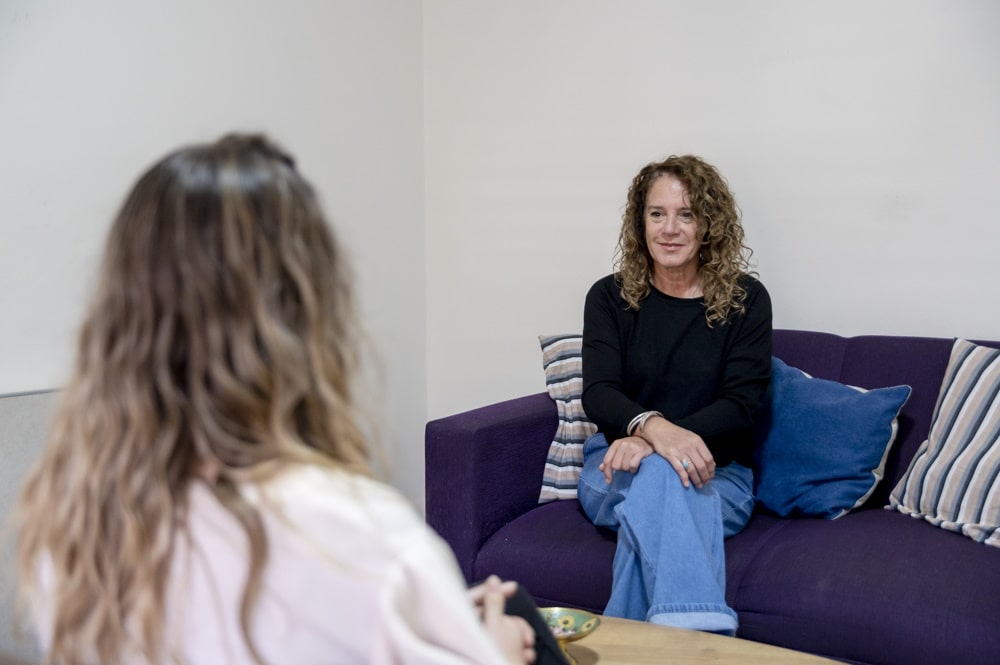
The sessions themselves are a shared space rather than something I do to you. I bring curiosity, warmth, and a genuine interest in understanding your experience. You bring whatever feels most present, urgent, or confusing for you right now. We work from there, together.
I offer sessions both in person in Holborn and online, so if getting to a physical location feels like a barrier, that need not stop you from exploring whether this kind of support might be right for you.
Frequently Asked Questions
Do I need a formal diagnosis to access neurodiversity therapy with you?
No, a formal diagnosis is not necessary. Many people I work with are exploring whether their experiences might be connected to neurodiversity without any official label. What matters most is that you feel the support might be relevant to your experience.
Will you try to change the way I think or process things?
Not at all. The aim of our work together is not to make you think or behave differently in a way that feels imposed. We explore what is getting in the way of you feeling connected, settled, or able to live in a way that feels right for you – and we do that on your terms.
What if I find it hard to talk or open up in sessions?
That is something we can work with rather than around. I try to be flexible about how we communicate in sessions, and I do not have a fixed idea of what a “good” session looks like. If talking feels difficult, we can slow down, find different ways in, and build the process collaboratively.
Is neurodiversity therapy available online as well as in Holborn?
Yes. I work with clients both in person in Holborn and online, whichever feels more accessible or comfortable for you. Both approaches can offer a warm, supportive space for meaningful exploration.
How do I know if this kind of therapy is right for me?
If you recognise patterns in your life – feeling exhausted, misunderstood, anxious, or stuck in ways that feel connected to how your mind works – speaking with a therapist may help you begin to understand those patterns more clearly. A first conversation is a gentle way to find out whether we might work well together.