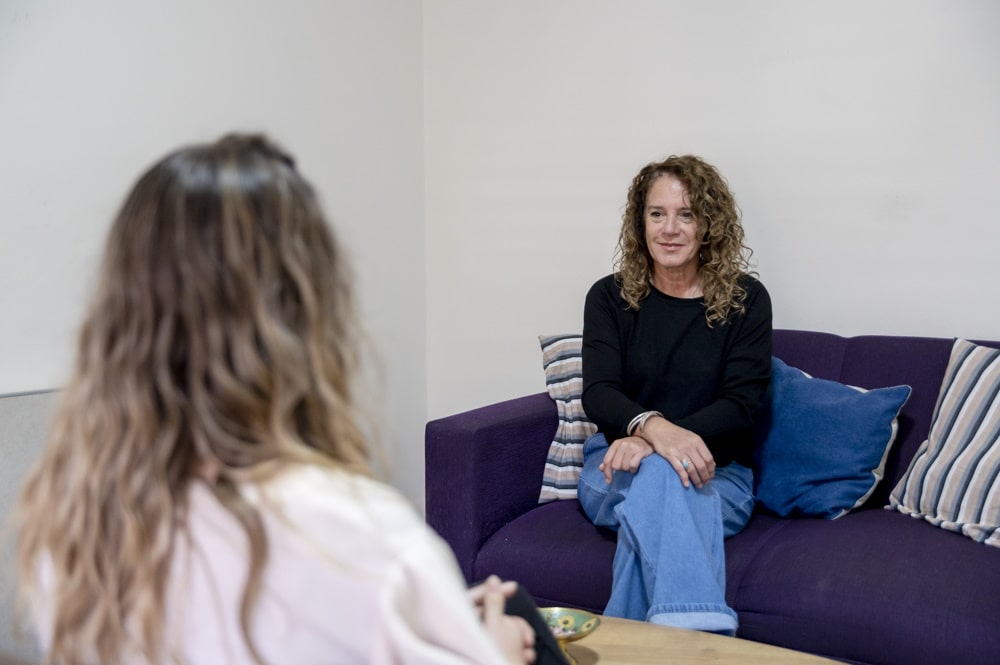
What are Life Transitions
Life transitions are periods of change when the way you live or see yourself no longer fits. They can be marked by major events such as moving city, changing jobs, ending a relationship, or becoming a parent. They can also take quieter forms, including shifts in identity, changes in values, or the realisation that a previous goal no longer feels right. These moments are not failures, they are points of adjustment that require learning and adaptation whilst you cope with change in your life.
Not everyone experiences transitions in the same way, some people feel a sudden shock. Others notice a slow drift that becomes harder to ignore. For many, the tasks involved in the process of change are not the hardest part. The hardest part is the emotional work that follows.
If you are reading this because you feel anxious or uncertain about what comes next, you don’t have to navigate this alone. Counselling and therapy can help you find clarity and new ways of living with confidence. As a qualified therapist with a humanistic approach, I offer a supportive and non-judgmental space where you can explore what’s changing and develop new ways of moving forward. You may reach out to me by calling or visiting my practice rooms in Central London or Cardiff.
Why Transitions Trigger Emotional Turbulence
Change disrupts two simple but powerful needs. The first is safety and predictability, the other is meaning and identity. When a transition removes predictability, we can feel anxious. When a transition asks us to form a new identity, we can feel lost. During these transitions, people can experience stress and may experience sleeplessness, irritability, and a sense of being emotionally exhausted.
Transitions can stir up old wounds and long-held beliefs, for example, you grew up being told to keep going no matter what, which is difficult at times. However, you push yourself too hard during a transition and then eventually burn out. Similarly, if your past taught you to avoid risk, you may feel paralysed when choices open up. When you notice these patterns, dealing with change feels less like forcing yourself and more like calmly figuring things out.
In such situations, the common response is to try to control everything. Control gives a short-lived sense of composure, but it rarely solves the deeper questions. Therapy helps you notice what you can influence and what you cannot. It gives you tools to manage anxiety and to move forward with intentional choices.
The Role of Counselling and Therapy in Navigating Change
Counselling and therapy can help you explore both the practical decisions you face and the thoughts and feelings that accompany them. Life transition counselling can help you slow down the noise and find a clearer path. I can work with you on immediate coping strategies and on long-term personal development. You don’t have to do this alone. I’ll be your professional support, helping you test ideas and try things out without judgment.
As a therapist, I offer three kinds of support, especially when you are going through a life transition. The first is containment, which is a predictable, confidential space where you can say things that feel too raw to tell others. The second is perspective, as I help you see patterns and options you might have missed. The third is skill-building, in which I provide concrete strategies that help you manage immediate distress and build resilience for the future.
If you are considering personal growth therapy with me, you are not signing up for quick fixes. You’re entering a process that helps you understand who you are now and who you want to become. Personal growth therapy with me supports exploration of values, relationships and goals. It can also include elements such as problem solving, sleep hygiene, grounding techniques and decision planning.
I tailor therapy to the type of change you face. For example, life transitions counselling with me can focus on planning for relocation and on expectation management when starting a new job. For relationship ending, I work with you on grieving losses and practising new ways of communicating with yourself and others. For identity shifts, the work includes exploration of meaning and belonging.
As a therapist, I aim to invite a compassionate, skilled conversation and to signal a more structured approach that includes therapeutic tools, as both are helpful when navigating change in life.
Mark Greenaway Robbins Helps You Navigate Life Changes With Ease
I’m a registered counsellor and a psychotherapist (BACP) offering humanistic, CBT and psychodynamic approaches for adults and couples. I work in a relational, integrative way that holds both the practical and the emotional sides of change. That means we will map what matters to you first, and then we will choose approaches that fit your needs. I use a mix of evidence-based methods alongside humanistic practice so the sessions feel both useful and humane.
I offer sessions in Cardiff and London, and I also work online. Typically, sessions are fifty minutes long, and we’ll agree on a routine that suits you. If you are nervous about starting, you can book a complimentary discovery call first. This short call gives you a sense of how I work and helps you decide if I am the right person to support you. When we meet, we will look at what the transition is asking of you. We will explore the steps and the emotional meaning attached to those steps. For some people, this means building routines that manage stress, and for others, it means grieving what is ending and transitioning into new ways of being. We will also work directly with any inner critic or older pattern that makes change feel impossible.
My own life experiences shape my practice. As a queer and neurodivergent therapist, I bring those perspectives gently into the room so your identity can be explored safely and without any discomfort. If you’re coping with change in your life and would like compassionate support, you can get in touch with me.
Whatever change you’re facing, you don’t have to navigate it on your own. As a BACP-registered counsellor and psychotherapist, I offer a grounded, compassionate space where you can make sense of what’s happening and decide what comes next.
If you’d like to understand more about how therapy works, my blogs explore common questions people bring to their first sessions, from how many appointments they might need to what “progress” can look like in real life.
When you’re ready, you can reach out for a discovery call or send an email. Taking that first step is an act of care, and I’m here to support you as you move through this period of change.